


For more than 40 years, Heritage Consulting Group has worked on historic tax credit projects of all sizes and types across the country. The firm understands the complexities and regulations of state and federal HTC programs and how to efficiently manage them within the constraints of small-scale development.
In its Main Street practice, Heritage Consulting Group often encounters what the firm refers to as “Historic Tax Credit Myths” — misconceptions about the incentive and its use that can limit its adoption and, thereby, downtown and commercial corridor revitalization in some of the most deserving places. The following addresses the top four HTC myths.

Myth #1 | Small projects don’t generate enough HTC equity to make the effort worthwhile.
With escalating construction costs and higher interest rates, maximizing access to financial incentives is critical for most real estate development projects, including those that involve historic rehabilitation. Combined, federal and state historic tax credits can offset roughly 40% of a project’s qualified rehabilitation expenditures (QREs), even more in some states.
Small-scale projects make up a considerable proportion of federal historic tax credit projects completed annually. According to the National Park Service’s Federal Tax Incentives for Rehabilitating Historic Buildings Annual Report for Fiscal Year 2025, of all completed historic tax credit projects, 36% had less than $1 million in QREs and 10%, less than $250,000.
One outstanding smaller scale project involves Piggush Engineering’s rehabilitation in Kankakee, Illinois, of the 1907 Kankakee Title Building, a contributing property within the Kankakee Downtown Historic District. This historic rehabilitation had a total project cost of $2.4 million, with $2.2 million in QREs including updates to building systems. Heritage Consulting Group helped the developer secure $440,000 in federal historic tax credits to offset the cost of this rehabilitation.
Myth #2 | Nonprofit-owned properties, like community and religious facilities, can’t use historic tax credits.
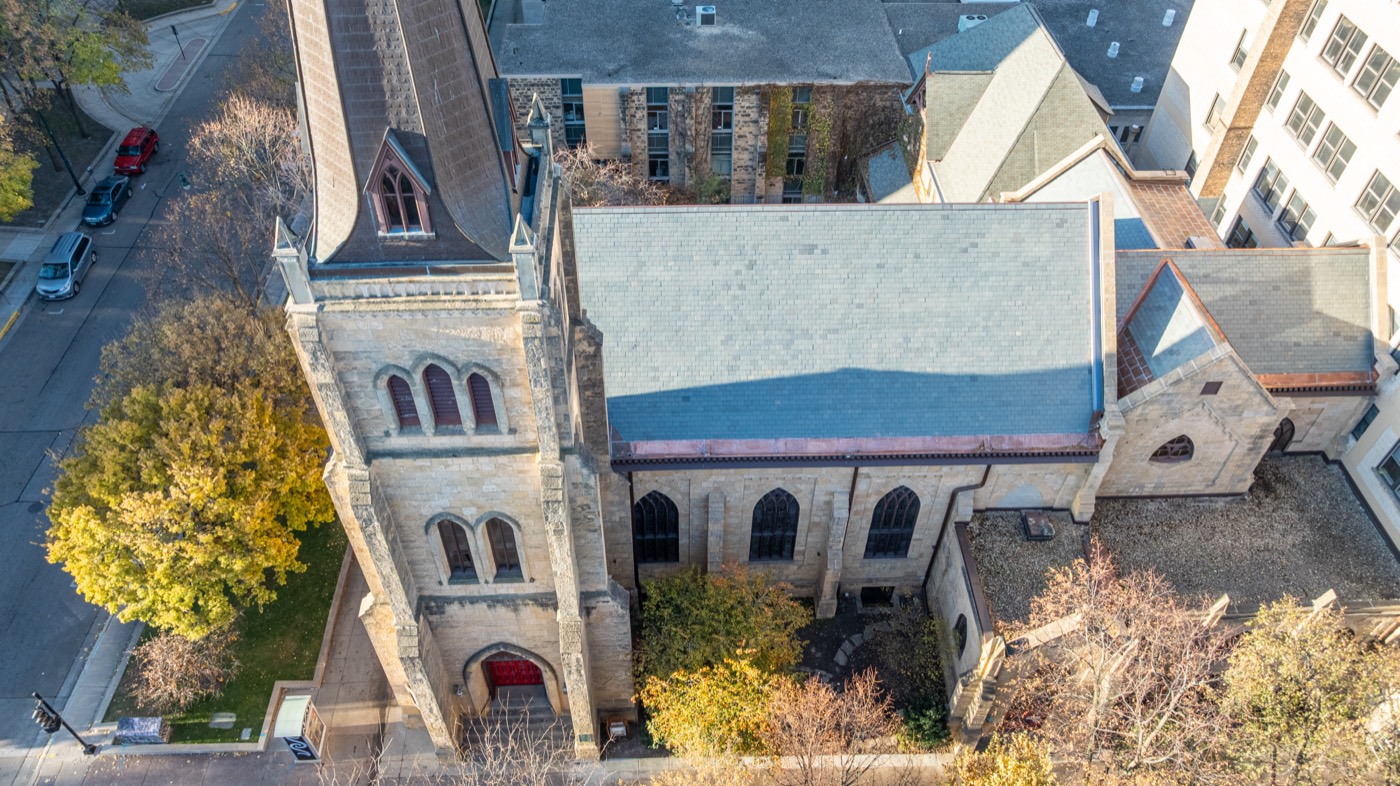
While HTCs are a natural fit for income-producing buildings in downtown districts and commercial corridors, many state historic tax credit programs also offer a clear path to HTC utilization for nonprofit-owned buildings. Heritage Consulting Group has supported the HTC rehabilitation of religious buildings and other nonprofit facilities in multiple states.

Myth #3 | HTCs severely limit how property owners can modify their buildings.
This can be true. The property owners best positioned to access federal and state HTC equity are those who appreciate the cultural, social and environmental value of historic preservation. However, at the heart of the HTC program are reasonable rehabilitation standards that support both practical adaptive reuse as well as the retention of defining historic features. Historic rehabilitation is not the same as historic restoration. Heritage Consulting Group specializes in navigating the line between an owner’s vision and HTC requirements.
Myth #4 | The HTC application process is complicated and takes too long.
While nuanced, the HTC process is generally straightforward. Heritage Consulting Group has developed streamlined HTC services tailored for small projects that make HTCs accessible. The firm can quickly assess whether a project would benefit from HTCs and navigate the application process on the owner’s behalf. Heritage Consulting Group can also connect clients with other professionals to support their rehabilitation projects.

Considering Historic Tax Credits for your Main Street property? Contact Heritage Consulting Group to discuss your project: 215-248-1260 or info@heritage-consulting.com.